

Trading
Explora una amplia gama de mercados con precios competitivos, liquidez profunda y herramientas de trading avanzadas.
Más información 
Plataforma
Opera sin interrupciones con la potente plataforma de TMGM, diseñada para ofrecer velocidad, precisión y una experiencia de trading superior.
Más información Plataforma de trading
Herramientas de trading
Academia
Aprende los fundamentos del trading con recursos ideales para principiantes, incluidas guías, seminarios web y análisis del mercado.
Más información Academia TMGM
Noticias y análisis
Obtén actualizaciones del mercado en tiempo real y análisis de expertos para adelantarte a las oportunidades de trading
Más información Noticias y análisis
Acerca de
Descubre qué distingue a TMGM: nuestra presencia global, solidez regulatoria y compromiso con la innovación en el trading.
Más información Por qué elegir TMGM
Experts agree: The fundamental background hints at further US Dollar appreciation
- The US Dollar is trimming some gains but most bank analysts expect the broader bullish trend to extend into the coming months.
- High US Treasury yields, strong US data, and monetary tightening by the Fed are seen underpinning demand for the USD.
- The US Central bank is expected to hike interest rates between three and four times in the next 12 months.
The US Dollar (USD) is showing a moderately softer tone on Wednesday, weighed down by the recent pullback in US Treasury yields and some dovish comments from New York Fed President John Williams. The Dollar Index (DXY), which measures the value of the Greenback against a basket of currencies, has pulled back to 101.20 from two-month highs above 101.60 on Tuesday, but it remains on track for a 1.8% monthly gain.
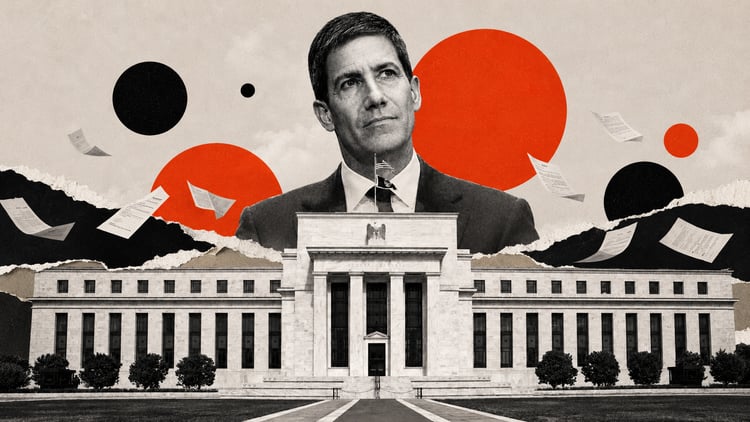
Analysts at some of the world's major banks see high US Treasury yields, rising Oil prices stemming from the Middle East war that are boosting global inflation, and the reaffirmation of the Federal Reserve's (Fed) commitment to fight inflation as the main reasons behind the US Dollar's uptrend. Against this backdrop, most of them expect the US Dollar to rise further towards the year-end.
Dollar strength persists as Fed path, yields and oil keep upside risks in focus
Analysts at ING highlight that the US Dollar appreciated further on Tuesday as rising back-end yields continue to weigh on global risk sentiment, which leaves “low-liquidity, higher-beta currencies bearing most of the brunt.” They note that the Japanese Yen remains “the sole exception to the broader Dollar strength trend.”
“Some stabilisation in risk sentiment could take some shine off the Dollar rally,” says ING in a note but warns that with “room for markets to reprice a higher probability of an October Fed hike, it may be premature to call the top in this Dollar move,” suggesting that any near-term pause in the currency’s advance is unlikely to mark a definitive peak.
The Fed is expected to hike rates several times in the next 12 months
OCBC analysts point out that the recent decline in jobless claims highlights a firm labour market and “the risk of an upside payrolls surprise appears to be increasing.” OCBC adds that “a stronger-than-expected employment report would likely reinforce expectations of further Fed tightening, keep Treasury yields elevated and provide additional support for the USD.” All this considered, OCBC’s base case is “for a moderate USD rally into year-end,” but they caution that “markets are currently pricing almost four Fed rate hikes over the next year, which appears overly aggressive.”
In the same vein, Rabobank notes that “USD net longs are largely unchanged as both long and short positions increased by 2,000 positions, respectively,” while the “OIS curve suggests investors are still positioned for more than three hikes by the end of next year.” Taken together, the combination of firm US data, elevated yields, and lingering upside risks around oil leaves the Dollar well-supported, with only the Yen standing out as a notable exception to the “broader Dollar strength trend.”
Analysts at MUFG/BTMU highlight that the US rate market now expects the Fed to deliver "almost another 100bps of rate hikes in the year ahead," a shift that is "reinforcing support for the US Dollar from the positive terms of trade shock for the US economy from higher energy prices." They note that the combination of a more aggressive Fed tightening path and elevated energy costs is underpinning the Dollar’s appeal relative to its major peers.
Fed FAQs
Monetary policy in the US is shaped by the Federal Reserve (Fed). The Fed has two mandates: to achieve price stability and foster full employment. Its primary tool to achieve these goals is by adjusting interest rates. When prices are rising too quickly and inflation is above the Fed’s 2% target, it raises interest rates, increasing borrowing costs throughout the economy. This results in a stronger US Dollar (USD) as it makes the US a more attractive place for international investors to park their money. When inflation falls below 2% or the Unemployment Rate is too high, the Fed may lower interest rates to encourage borrowing, which weighs on the Greenback.
The Federal Reserve (Fed) holds eight policy meetings a year, where the Federal Open Market Committee (FOMC) assesses economic conditions and makes monetary policy decisions. The FOMC is attended by twelve Fed officials – the seven members of the Board of Governors, the president of the Federal Reserve Bank of New York, and four of the remaining eleven regional Reserve Bank presidents, who serve one-year terms on a rotating basis.
In extreme situations, the Federal Reserve may resort to a policy named Quantitative Easing (QE). QE is the process by which the Fed substantially increases the flow of credit in a stuck financial system. It is a non-standard policy measure used during crises or when inflation is extremely low. It was the Fed’s weapon of choice during the Great Financial Crisis in 2008. It involves the Fed printing more Dollars and using them to buy high grade bonds from financial institutions. QE usually weakens the US Dollar.
Quantitative tightening (QT) is the reverse process of QE, whereby the Federal Reserve stops buying bonds from financial institutions and does not reinvest the principal from the bonds it holds maturing, to purchase new bonds. It is usually positive for the value of the US Dollar.
Artículos destacados
1Germany annual CPI inflation rises to 3.3% in September2EUR/GBP Price Forecast: Reaching oversold levels at six-week lows sub-0.85503What is driving the US Dollar to multi-month highs against the Euro as PCE data approaches?4EUR/USD Price Forecast: At make or a break near 1.13305Australian Dollar: Softer CPI keeps RBA pricing in check – BBH6British Pound: Fiscal tightening risks dovish BOE repricing – BBH7Crypto Today: Bitcoin holds $83K as Ethereum remains below $2,700 and XRP consolidates8Gold struggles for direction ahead of Fed’s preferred PCE inflation data9Australian Dollar clings to early recovery near 0.6970, US data takes centre stage
COTIZACIONES EN VIVO


¡Comience ahora!
Regístrese y acceda a los mercados globales en menos de 3 minutos

Conéctese con nosotros









Contactos
Teléfono: +61 2 8036 8388
Fax: +61 2 8036 8388
Correo electrónico: support@tmgm.com
Web: https://www.tmgm.com



La información proporcionada en este sitio web es únicamente de carácter general y no constituye asesoramiento financiero personal. Antes de actuar sobre cualquier información de este sitio web, debe considerar la idoneidad de la información en relación con sus objetivos, situación financiera y necesidades. Invertir en CFD y contratos de margen de FX conlleva riesgos significativos y no es adecuado para todos los inversores. Puede perder más que su depósito inicial. Usted no posee ni tiene ningún interés en el activo subyacente. Le recomendamos que busque asesoramiento independiente y se asegure de comprender plenamente los riesgos involucrados antes de operar. Es importante que lea y considere el documento de divulgación antes de adquirir cualquier producto listado en el sitio web. La información y los anuncios ofrecidos en este sitio web no están destinados al uso por parte de ninguna persona en ningún país o jurisdicción donde dicho uso sea contrario a las leyes y regulaciones locales. Los productos y servicios ofrecidos en este sitio web no están destinados a residentes de Estados Unidos, Malasia y Tailandia.
TMGM está autorizado y regulado en varias jurisdicciones.
Trademax Australia Limited, que opera como TMGM, está regulada por la Comisión Australiana de Valores e Inversiones (ASIC), AFSL n.º 436416, y está ubicada en Level 28, One International Tower, 100 Barangaroo Avenue, 2000 Sydney, NSW Australia.
Correo electrónico: support@tmgm.com.au
Trademax Global Limited, que opera como TMGM, está autorizada y regulada por la Comisión de Servicios Financieros de Vanuatu (VFSC), número de registro 40356, y está registrada en 1276, Kumul Highway, Port Vila, Vanuatu, República de Vanuatu.
Correo electrónico: support@tmgm.com
Trademax Global Markets (SE) Limited, que opera como TMGM, está autorizada y regulada por la Autoridad de Servicios Financieros (FSA) de Seychelles, con número de licencia SD224. La empresa está registrada en Office No 13, Providence Estate ABIS Centre, Mahe, Seychelles.
Correo electrónico: support@tmgm.com
Trademax Global Markets (International) Pty Ltd, que opera como TMGM, está autorizada y regulada por la Comisión de Servicios Financieros de Mauricio (FSC) con licencia n.º GB22201012, y está registrada en 33, Edith Cavell Street C/o IQ EQ Fund Services (Mauritius) Ltd Port Louis, 11324 Mauricio.
Correo electrónico: support@tmgm.com
Copyright © TMGM. Todos los derechos reservados